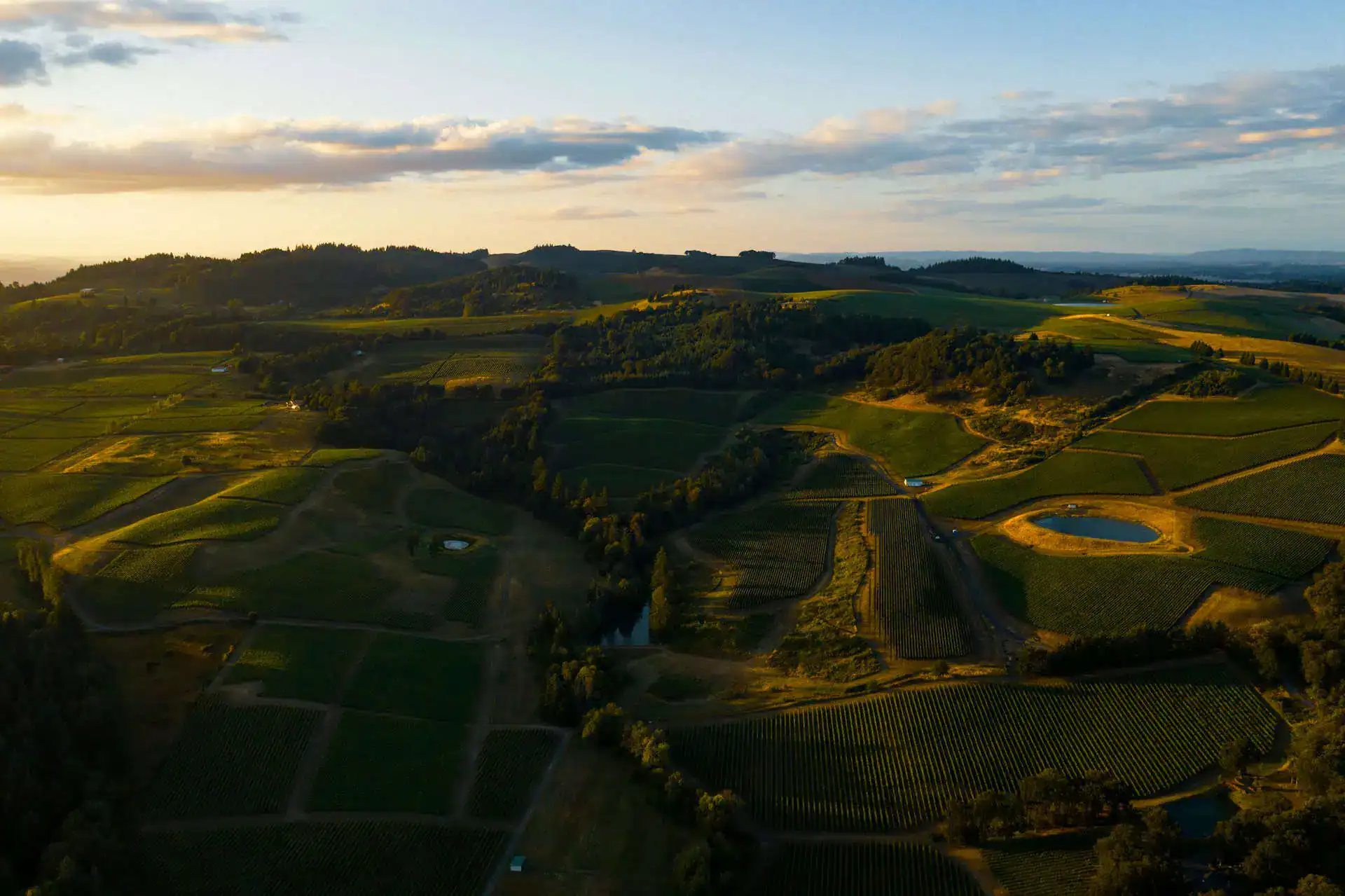
The highest vineyards, the most rainfall, and some of the most distinctive wines in all of Paso Robles — here’s what makes the Adelaida District worth the winding drive.
Drive west from downtown Paso Robles on Adelaida Road and within ten minutes the landscape shifts. Flat valley floor gives way to steep, oak-studded hills. The road narrows, climbs, and starts to twist. By the time you spot the first vineyard signs, you’re surrounded by the Santa Lucia Range — and you’ve entered the Adelaida District, one of the most compelling corners of Paso Robles wine country.
Officially designated as one of Paso Robles’ eleven sub-AVAs in 2014, the Adelaida District covers 53,100 acres in the northwest corner of the appellation. But acreage doesn’t capture what makes this place different. Elevation does. Rainfall does. And a particular kind of limestone soil — fractured, ancient, and threaded with marine fossils — does the rest.
Table of contents
What Makes the Adelaida District Different
Three factors set the Adelaida District apart from every other growing area in Paso Robles: elevation, marine influence, and rainfall.
Vineyards here sit between 900 and 2,200 feet above sea level — the highest in the entire Paso Robles AVA. At those altitudes, vines catch more wind, more fog, and more of the cooling marine air that funnels inland through the Templeton Gap, a low point in the coastal mountains that acts as a natural air conditioner for the Westside.
That marine influence creates dramatic daily temperature swings. Summer afternoons regularly hit the high 90s and low 100s, but by nightfall temperatures can plummet 50 degrees or more. Grapes love this rhythm. Hot days build sugar and flavor; cold nights preserve the natural acidity that gives wines their structure and freshness.
Then there’s the rain. The Adelaida District receives roughly 30 inches of annual rainfall — nearly three times what downtown Paso Robles gets and far more than any other district in the AVA. That moisture, combined with limestone bedrock that fractures and stores water deep underground, makes true dry farming possible here. Many vineyards in the district grow without a single drop of irrigation, a rarity in California.
The Soils That Define Adelaida District Wines
Ask any winemaker along Adelaida Road what makes their wines distinctive and the conversation turns to rock before it turns to grapes. The dominant soil type here is calcareous — limestone-rich, alkaline, and shallow over fractured bedrock. Locals sometimes call it “Adelaida Stone.”
These soils share more in common with the chalky hillsides of Burgundy or the limestone plateaus of Châteauneuf-du-Pape than with the alluvial loam on Paso’s Eastside. The practical effect on wine is measurable: calcareous soils stress vines in a productive way, limiting vigor and concentrating flavors while preserving bright, mineral-edged acidity. It’s the reason Adelaida District reds tend to taste tighter, more structured, and more age-worthy than their Eastside counterparts, even when made from the same grape varieties.
You can actually see the geology here. White chalky outcroppings and pale limestone rubble line the roads and vineyard rows. Some of these rocks are studded with fossilized shells — remnants of the ancient seabed that once covered this entire region.
A Brief History of the Adelaida District
Long before vineyards, this was quicksilver mining and cattle ranching country. The terrain was too steep and remote for most agriculture, which is precisely why it stayed wild longer than the rest of Paso Robles.
The turning point came in 1973, when André Tchelistcheff — widely regarded as the godfather of California winemaking — visited Hoffman Mountain Ranch in the Adelaida hills and declared it “a jewel of ecological elements.” That endorsement put the area on the viticultural map. Within a decade, pioneering estates like Adelaida Vineyards (founded 1981) and JUSTIN Vineyards & Winery (also 1981) were proving that world-class wine could come from these remote hillsides.
The next wave arrived in the late 1980s and 1990s. Tablas Creek Vineyard, a partnership between the Perrin family of Château de Beaucastel and American importer Robert Haas, imported sixteen Rhône grape varieties to their Adelaida District estate starting in 1989 — nine of which had never been grown in California. That single project helped launch the entire “Rhône Ranger” movement and established Paso Robles as a serious destination for Grenache, Syrah, Mourvèdre, and Roussanne.
Today the district is home to dozens of producers ranging from iconic estates to tiny, appointment-only operations. What unites them is the shared conviction that this particular combination of elevation, limestone, and climate produces wines that couldn’t be made anywhere else.

The Best Wineries to Visit in the Adelaida District
The Adelaida District rewards planned visits — most tasting rooms are spread along winding rural roads, and some require reservations. Here are the producers worth building a day around, starting with the estates that define the district’s identity.
Brecon Estate
Brecon Estate earned a rare 100-point score that put this Westside producer on the national radar, but the tasting experience itself is what brings people back. The architect-designed tasting room sits among ancient oaks and gnarled vines on Vineyard Drive, and the lineup ranges from rich Cabernet Sauvignon to a refreshing Albariño sourced from across the Central Coast. The atmosphere is polished but unhurried — settle onto the patio with a glass and you’ll understand why this stretch of the Adelaida District draws so many repeat visitors.
Local Tip: The estate blends are the headliners, but ask about whatever single-vineyard bottling is pouring that day. Limited production means these rotate and sell out quickly.
Address: 7450 Vineyard Drive, Paso Robles, CA 93446
Hours: Daily, 11:00 AM – 5:00 PM
Grosso Kresser Estate
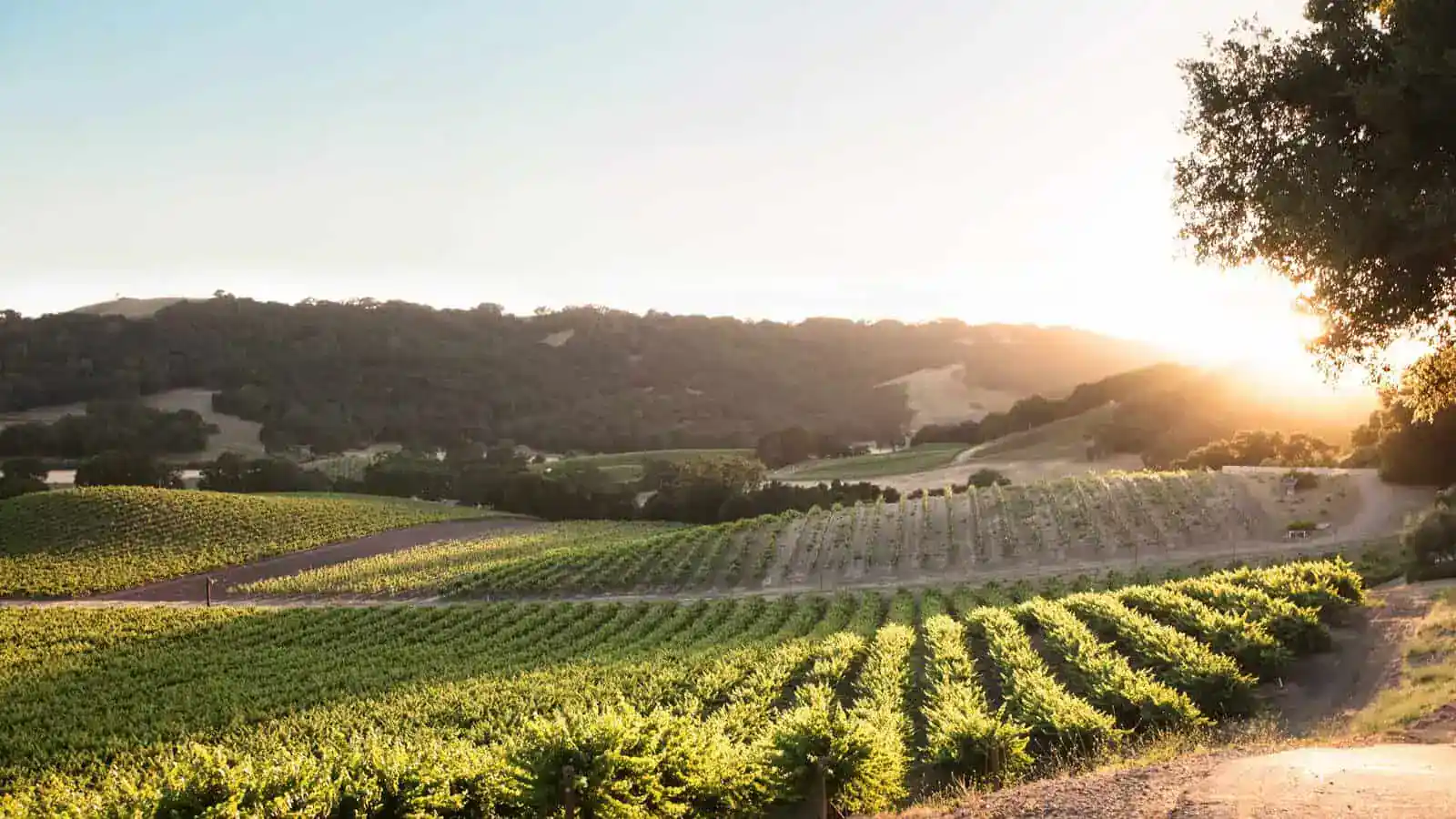
Grosso Kresser Estate sits on fourteen acres of nearly fifty-year-old vines on Vineyard Drive — some of the oldest plantings in the Adelaida District. Founded by Karl Kresser and Juliane Grosso in 2012, the estate produces Cabernet Sauvignon, Zinfandel, Viognier, and Albariño from calcareous soils that give the reds a firm, mineral backbone. What sets Grosso Kresser apart is patience: every red wine spends three full years in barrel followed by a year of bottle maturation before release. The result is wine that arrives ready to drink but built to age.
Local Tip: The Cabernet Sauvignon is the flagship, but don’t skip the Albariño — it’s a crisp, refreshing counterpoint to the reds and one of the better white wines produced on the Westside.
Address: 7300 Vineyard Drive, Paso Robles, CA 93446
Hours: Thursday – Sunday, 11:00 AM – 5:00 PM

Copia Vineyards
Copia Vineyards farms a 26-acre estate on Mustard Creek Road in the heart of the Adelaida District, where calcareous limestone soils produce wines that span Rhône, Bordeaux, and Spanish-inspired styles. The lineup includes Syrah, Grenache, Mourvèdre, Cabernet Sauvignon, and the less common Counoise — a breadth of varietals that reflects the estate’s range of exposures and elevations. The tasting room pairs modern architecture with sweeping vineyard views, and you can book walking tours and culinary pairing experience that match seasonal bites with each pour.
Address: 5076 Mustard Creek Road, Paso Robles, CA 93446
Hours: Check their website for current hours and reservation requirements.
Parrish Family Vineyard
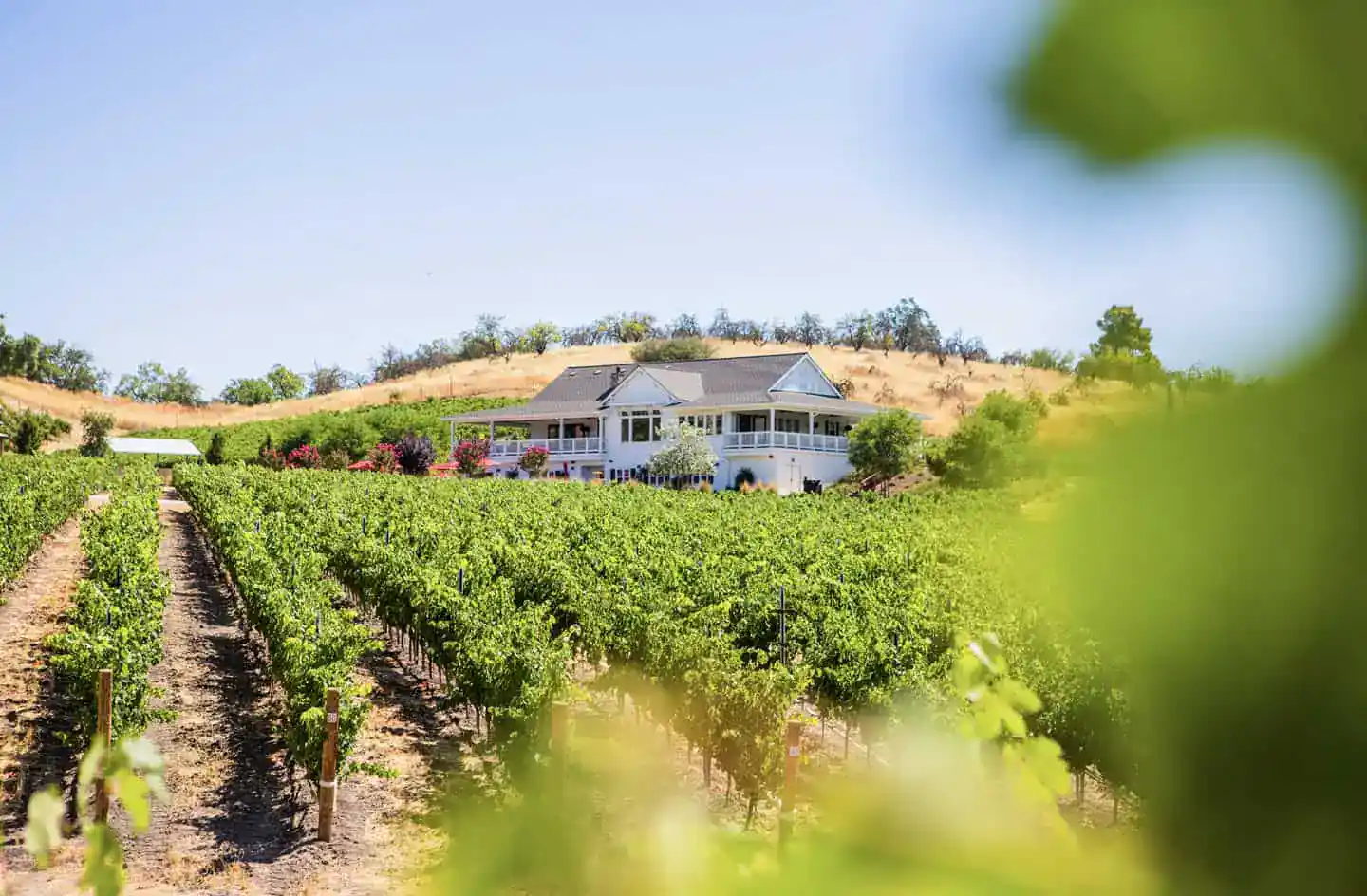
Parrish Family Vineyard has been crafting estate Cabernet Sauvignon and Bordeaux-style blends from their Adelaida Road property since 2005. The tasting room pairs wine with house-made bites — their homemade sourdough has developed its own following — and the guided tastings feel more like sitting down with the family than a transactional pour. Lawn games, vineyard views, and genuinely warm hospitality make this a natural midday stop.
Local Tip: Book a seated tasting rather than walking in. The food pairings elevate the experience, and the staff has time to walk you through the estate wines properly.
Address: 3590 Adelaida Road, Paso Robles, CA 93446
Hours: Thursday to Monday, 11:00 AM – 5:00 PM

Dubost Winery
Family-run Dubost Winery takes a different path from its neighbors, growing varietals like Tempranillo alongside more expected Westside grapes. The property has been in the Dubost family for decades, and the tasting experience reflects that multigenerational rootedness — personal, low-key, and focused on wines that express the specific character of their Adelaida District site rather than chasing trends.
Address: 4675 Vineyard Drive, Paso Robles, CA 93446
Hours: Check their website for current hours and reservation requirements.
Tablas Creek Vineyard
No conversation about the Adelaida District is complete without Tablas Creek. The estate’s organic, biodynamic, and Regenerative Organic Certified vineyards grow sixteen Rhône grape varieties on 120 acres of calcareous hillside — the same limestone-rich soils that first drew the Perrin family to compare this site to their home in Châteauneuf-du-Pape. Tablas Creek’s Esprit de Tablas (both red and blanc) are consistently among the most critically acclaimed wines in all of Paso Robles. The tasting room on Adelaida Road is welcoming and walk-in friendly, with a knowledgeable staff that makes Rhône varietals approachable for newcomers.
Address: 9339 Adelaida Road, Paso Robles, CA 93446
Hours: Daily, 10:00 AM – 4:00 PM
Kukkula
The name Kukkula is Finnish for “a high place,” and the estate earns it — vineyards and a hilltop picnic area sit at nearly 1,800 feet on Chimney Rock Road, overlooking the peaks and valleys of the Adelaida District. Owner and winemaker Kevin Jussila has been producing Rhône-centric blends from organic, dry-farmed estate vines since 2006, and the approach is deliberately unhurried: small lots, minimal intervention, wines that reflect the specific character of this high-elevation site. The modern, minimalist tasting room is appointment-only, which keeps the experience personal and focused.
Address: 9515 Chimney Rock Road, Paso Robles, CA 93446
Hours: By appointment, Thursday – Monday, 10:00 AM – 4:00 PM
JUSTIN Vineyards & Winery
One of Paso Robles’ founding estates, JUSTIN has been producing Bordeaux-style wines from its Adelaida District property since 1981. The flagship Isosceles — a Cabernet Sauvignon, Cabernet Franc, and Merlot blend — helped establish Paso Robles as a serious Cabernet region decades before the current wave of producers arrived. Beyond the tasting room, JUSTIN offers cave tours, barrel tastings, luxury on-site accommodations at The JUST INN, and a Michelin-starred restaurant that makes this one of the few wineries in the region where you could spend an entire day.
Address: 11680 Chimney Rock Road, Paso Robles, CA 93446
Hours: Daily, 11:00 AM – 5:00 PM
More Adelaida District Wineries Worth Exploring
The wineries above are strong starting points, but the Adelaida District has depth well beyond a single day’s itinerary. These producers are all worth seeking out:
Calcareous Vineyard serves estate Cabernet alongside a full lunch menu daily on Peachy Canyon Road — the name itself is a nod to the limestone soils that define the area. Alta Colina Vineyard & Winery pairs Rhône-style Syrah and Grenache with a glamping experience among the vines. Law Estate Wines produces ultra-premium Rhône blends by appointment only on Peachy Canyon Road, while Thacher Winery is a go-to for Zinfandel and Petite Sirah from old-vine sources. Lone Madrone, helmed by Neil Collins — who also serves as winemaker at Tablas Creek — offers rare single-varietal bottlings of uncommon Rhône grapes that collectors actively seek out. And Adelaida Vineyards, the estate that gave the district its name, has been producing mountain-grown wines since 1981 from 170 acres of sustainably farmed vineyards at 1,400 to 2,000 feet.
Planning Your Adelaida District Visit
The Adelaida District isn’t a walk-in-and-wing-it kind of destination. A few practical details will make your day significantly better.
Drive time: Most Adelaida District wineries are 15–30 minutes from downtown Paso Robles. The roads are rural, often winding, and occasionally unpaved near smaller properties. Cell service is spotty once you leave the main roads. Download the winery map before you go.
Reservations: Several top producers — Kukkula, Law Estate, Sixmilebridge — are appointment-only. Even wineries that accept walk-ins tend to have better experiences when you book ahead, especially on weekends.
Route planning: Adelaida Road and Vineyard Drive are the two main corridors. A west-to-east loop starting on Adelaida Road (Tablas Creek, Parrish Family, Kukkula) and returning via Vineyard Drive (Brecon Estate, Grosso Kresser) covers the district’s range without excessive backtracking. Plan for three to four wineries in a full day — the drives between them, the seated tastings, and the views all take more time than you’d expect.
When to visit: Fall is the most rewarding season. Harvest activity runs August through October, temperatures are comfortable, and the hillsides shift from summer gold to vine-leaf red. Spring (March through May) brings green hills and wildflowers but can include rain. Summer is hot — start early, stay hydrated, and seek out tasting rooms with covered patios or air conditioning. Consider booking a guided tour if you’d rather not navigate the mountain roads yourself.
Pair with food: Calcareous Vineyard serves lunch daily, and JUSTIN’s Michelin-starred restaurant is worth a reservation for dinner. Otherwise, pack a picnic — several wineries welcome outside food on their patios.

Frequently Asked Questions About the Adelaida District
What is the Adelaida District AVA?
The Adelaida District is one of eleven official sub-appellations (AVAs) within the Paso Robles wine region. Established in 2014, it covers 53,100 acres in the northwest corner of the Paso Robles AVA, distinguished by high-elevation vineyards (900–2,200 feet), calcareous limestone soils, and the highest rainfall of any Paso Robles district.
What wines is the Adelaida District known for?
The district excels with both Rhône varieties (Syrah, Grenache, Mourvèdre, Roussanne) and Bordeaux varieties (Cabernet Sauvignon, Merlot, Cabernet Franc). The limestone soils and high elevation tend to produce wines with more structure, minerality, and aging potential than those from Paso’s warmer, lower-elevation Eastside districts.
How far is the Adelaida District from downtown Paso Robles?
Most Adelaida District wineries are a 15–30 minute drive west of downtown Paso Robles. The primary routes are Adelaida Road and Vineyard Drive/Peachy Canyon Road.
Do I need reservations for Adelaida District wineries?
Some wineries — including Kukkula, Law Estate Wines, and Sixmilebridge — require advance reservations. Others accept walk-ins but offer a better experience with a booking. Check individual winery websites before you visit, especially on weekends.
What is the best time of year to visit the Adelaida District?
Fall (September through November) is ideal — harvest season brings vineyard activity, comfortable temperatures, and beautiful light. Spring offers green hillsides and wildflowers. Summer is hot, so plan morning visits and bring water. Winter is quiet and uncrowded, with many tasting rooms keeping regular hours.
The Adelaida District doesn’t hand you the polished, easy version of Paso Robles wine country. It asks you to drive the winding roads, book ahead, and spend real time with producers who farm some of the most challenging terrain in the appellation. What you get in return are wines with a sense of place that’s hard to find anywhere else in California — and the kind of tasting experiences that make you want to come back and explore the next road you didn’t take.
The wineries featured here are a starting point — the full district has over 40 producers. Browse the complete Adelaida District winery directory to see them all, or start planning your route with the Paso Robles wine tasting map.