Paso offers something truly special: world-class wines without the pretense. Yes, Paso Robles is where authenticity reigns—where showing up in cowboy boots feels perfectly natural and you’ll find winemakers pouring their own tastings behind the bar.
That said, wine etiquette can feel intimidating, even for the bravest among us. Even in famously friendly Paso, you might wonder: Am I doing this right? The good news: Paso Robles welcomes curious newcomers and seasoned collectors with equal warmth. Still, knowing a few insider tips will help you sip smarter, enjoy more and feel comfortable from your very first pour.
Etiquette Checklist
✓ Make reservations for groups of 6+ and weekends
✓ Plan for 3-4 wineries maximum per day
✓ Skip perfume/cologne before tastings
✓ Dress comfortably (jeans + walking shoes work great)
✓ Hydrate between every tasting
✓ Use dump buckets – it’s what pros do
✓ Ask questions – staff love sharing knowledge
✓ Tip 15-20% for exceptional service
How to Taste Wine: A Step-by-Step Guide for Beginners
Never tasted wine before? Don’t sweat it. Paso’s tasting room staff genuinely want you to learn and enjoy yourself while you do. There’s no pop quiz, no sommelier staring you down. Just kind people pouring great wine and sharing their passion, one swirl at a time.
The pour: Most tastings include 4-6 wines, sometimes more depending on the winery and experience you’ve selected. You’ll typically start with whites and rosés, move to lighter reds, then finish with bolder varietals. Paso Robles is famous for Zinfandel, Rhône blends (especially Grenache, Syrah and Mourvèdre) and bold Bordeaux wines like rich Cabernet Sauvignon—expect to taste the signature styles that put this region on the wine map.
How to taste Paso Robles wines:
- Look at the wine’s color and clarity (hold it up to light)
- Swirl gently to release aromas and oxygenate the wine
- Smell deeply—seriously, get your nose in there
- Sip, let the wine coat your mouth and notice the flavors as they evolve
- Swallow or use the dump bucket (no shame—pros do this to pace themselves and you should too)
Saying “I taste dark cherries” or “this feels smooth and velvety” is completely valid. Tasting room staff can also help you identify what you’re experiencing, often drawing connections to familiar flavors like blackberry jam, freshly cut grass or vanilla. Get into it. It’s all part of the fun!
Don’t like the wine? No problem. It’s completely acceptable to politely say “This isn’t my style” and use the dump bucket—that’s what it’s there for. The goal isn’t to like everything; it’s to discover what speaks to your palate.

Robert Hall Winery: Great Winery for First-Time Visitors
First-timer nervous about asking questions? Robert Hall Winery makes asking questions feel as natural as waving hello. The welcoming tasting room and knowledgeable staff create an atmosphere where “beginner” questions are encouraged. This Geneseo District estate is leading an industry-first regenerative viticulture case study. Their Grape to Glass Excursion is the perfect experience to explore their history and regenerative organic farming principles, plus five-seven wines, finishing with small bites.
If you’re new to pairing food and wine, their cheese and wine experience is the perfect introduction. The balanced, food-friendly wines are crafted to be ultra-approachable—making them ideal for learning fundamental pairing principles you’ll use for life.
Proper etiquette here: Take your time with each pairing rather than rushing through. Winery staff appreciate when guests engage thoughtfully with the experience. You’ll learn so much more by savoring each combination and asking questions about why certain pairings work. This isn’t a race—it’s an education wrapped in sensory pleasure. Savor it.
Local Tip: Want to really understand what you’re tasting in that glass? Ask about vineyard location and elevation to better paint the picture. Paso’s diverse microclimates create dramatically different flavor profiles—a Syrah from the cooler Adelaida District tastes different like one from the hotter Eastside. Staff love sharing these stories, deepening your appreciation and noting how each wine compares to the next.
Reservation Etiquette in Paso Robles Wine Country
Paso’s relaxed vibe means many wineries welcome walk-ins, but reservations are always appreciated—and at some places, required. Knowing when to book ahead shows respect for the winery and ensures you get the thoughtful, laid-back experience you deserve.
Always reserve ahead for:
- Groups of 6 or more
- Weekend visits (especially March-May and September-November)
- Special experiences (cave tours, food pairings, private tastings, vineyard tours)
- Wineries with limited capacity or by-appointment-only policies
- Holiday weekends and major events like Harvest Wine Weekend
Walk-ins work best during:
- Weekday visits (Tuesday-Thursday are typically quietest)
- The winter offseason (December-February)
- When you’re traveling solo or as a couple (smaller groups are easier to accommodate last-minute)
Tipping Your Tasting Room Host:
While tipping isn’t mandatory in wine country, it’s a gracious way to acknowledge exceptional service—especially when your host has spent quality time educating you about the wines, sharing stories about the winery, or tailoring recommendations to your palate. Think of it like dining out: if someone has enhanced your experience, a tip shows appreciation for their expertise and hospitality.
Standard tipping guidelines:
- 15-20% on the tasting fee is appropriate for great service
- $5-10 per person works well for more casual tastings
- Consider tipping even more if you didn’t purchase wine but received extensive personal attention, a tour, or a particularly memorable experience
Many tasting rooms are staffed by passionate wine educators—not just pourers—who genuinely love sharing their knowledge. These hosts often work partly for tips, and gratuities directly support the people who make your visit special.
Pro tip: If you purchase bottles, tipping remains thoughtful and appreciated, though some visitors adjust the percentage based on their total spend. Either way, a genuine “thank you” paired with a tip tells your host their effort mattered.
Always check the winery website before you go—it’s better to know their policy beforehand than show up disappointed. Most Paso Robles wineries list their reservation requirements clearly online, and a quick phone call can easily clear up any additional questions.
Bring the Whole Crew: Family-Friendly Paso Robles
One of Paso Robles’ greatest advantages? It’s genuinely family-friendly in ways most wine regions aren’t. This isn’t a stuffy, children-should-be-seen-and-not-heard kind of place. Paso embraces the reality that wine lovers also have kids, dogs and picnic ambitions.
Kids welcome: Many wineries have sprawling lawns, bocce ball courts, cornhole games or even designated play areas. Parents can actually relax with a glass while kids burn energy safely within eyesight. Just keep them supervised and respect other guests’ experiences by managing noise levels inside tasting rooms. See all our favorite family friendly wineries here.
Dog-friendly Paso: Wag more! Paso is sure to be one of the most dog-friendly wine regions you’ve ever visited. Most wineries with outdoor seating welcome leashed, well-behaved dogs. Bring water, a bowl and waste bags—being a responsible dog owner is essential etiquette.
To picnic or not to picnic? Yes, many Paso wineries do invite folks to bring their own food to enjoy under the oaks. Pick up artisan cheese, charcuterie, crusty bread and seasonal fruit, then settle in at a winery with picnic grounds. That said, some Paso wineries feature their own sit-down cafés and restaurants—and proper etiquette means supporting their food offerings when available rather than bringing outside food.
Local Tip: When in doubt about food policies, look on the website or call the winery before heading out.

Cass Winery: Great Winery for Larger Groups
Planning a gathering with friends or family? Cass Winery is a favorite hangout in Paso Robles beloved by locals and newbies alike. What makes it ideal for groups? The relaxed, table-service format. Rather than crowding around a tasting bar, friendly staff brings wine directly to your table on the popular patio—a wonderfully laid-back experience that feels more like meeting friends for an afternoon than formal wine tasting. Everyone can settle in at their own pace and enjoy conversation.
Hungry? The on-site café serves fresh, seasonal fare, including the famous Benny Burger, sandwiches, salads and sharable charcuterie plates. Proper etiquette means ordering from the menu rather than bringing outside food—and trust us, you’ll want to pair your meal with the popular Rockin’ One Red Rhône Blend, a crowd favorite that showcases why this winery excels with Rhône varietals. Proper protocol for a fabulous group hang at Cass Winery: book your reservation for groups of six or more and plan to settle in for the entire afternoon.
Local Tip: This welcoming winery embodies Paso’s family-friendly ethos. Kids can enjoy the scenery while adults dine, and well-behaved dogs are welcome too. It’s the kind of place where multiple generations can enjoy wine country together without anyone feeling constrained.
Dress Code: Come as You Are in Paso Robles
Here’s what you won’t see in Paso: dress shoes and heels navigating gravel driveways. This is wine country with a distinctly Western vibe, where comfort reigns supreme and ranch-style authenticity trumps formality every time.
What to wear:
Think “elevated casual”—nice jeans or khakis, a button-down or breezy blouse and comfortable walking shoes. Those cowboy boots you’ve been looking for an excuse to wear? Perfect. Sundresses and sandals work beautifully too, especially during Paso’s warm summer months when temperatures regularly climb into the 80s and 90s.
A friendly reminder:
Skip the perfume, cologne and heavily scented lotions before your tasting adventures. Strong fragrances can interfere with your ability—and others’—to fully experience the delicate aromas and subtle notes in the wine. Trust that the only scent you’ll need is the beautiful bouquet in your glass.
Practical considerations:
You’ll explore rural terrain, stroll through vineyards and possibly descend into cool barrel caves. Dress accordingly! Bring layers too—tasting rooms can feel refreshingly cool even when it’s blazing outside, and hilltop estates catch breezes that’ll have you reaching for that cardigan. A light jacket tucked in your bag serves you well during cool nights.
The Adelaida District’s mountainous terrain? Dusty vineyard roads on the Eastside? Downtown’s sunny sidewalks? All demand that you feel utterly comfortable and ready to explore.
Pace Yourself in Paso Robles Wine Country
Paso’s 200+ wineries spanning 11 distinct AVAs can feel…well…a little overwhelming. Resist the urge to taste it all (it’s impossible anyway). Here’s how to enjoy responsibly while actually remembering the wines you loved.
The 3-4 winery rule:
Plan for three to four wineries per day, maximum. This gives you time to truly experience each location—to chat with staff, wander the grounds, learn the stories behind the bottles. Rushing through six tastings means they all blur together. Quality always trumps quantity in Paso Robles.
Hydrate constantly:
Paso gets hot, especially June through October when temperatures regularly soar into the 90s. Alternate each wine tasting with a full glass of water. All tasting rooms provide it—don’t be shy about asking for refills. Staying hydrated keeps your palate fresh and ensures you can fully appreciate each wine.
Eat substantial food:
Wine on an empty stomach is nobody’s friend. And no, tasting room crackers don’t count as a meal! Plan to enjoy a real lunch, whether that’s a picnic you packed yourself or a plate at a winery restaurant. Downtown Paso Robles offers excellent farm-to-table restaurants perfect for midday refueling between tastings. You’ll be glad you did.
Spit or pour out:
Using dump buckets isn’t wasteful—it’s how the pros do it. You can experience the wine’s full flavor profile without consuming every ounce. Even winemakers taste this way when evaluating wines. The first time might feel a little awkward, but trust us. You’ll get the hang of it!
Designate a driver or hire transport: Absolutely no wiggle room on this one. Paso has several excellent wine tour companies that handle logistics while you focus on enjoyment. Or consider staying somewhere within walking distance of tasting rooms in downtown Paso or the Tin City artisan collective. Responsible planning ensures everyone gets home safely.
Smart Spending in Paso Robles Wine Country
Let’s address your wallet, here: yes, Paso Robles offers exceptional value compared to regions like Napa Valley. In Paso, tasting fees typically range from $20-35 per person (often waived with purchase), and you’ll find outstanding wines in the $25-50 bottle range. There’s truly something for everyone in Paso Robles.
Note: This isn’t about Paso being the “cheaper alternative.” It’s about exploring incredible, handcrafted wines at accessible price points. Paso’s quality rivals any premium wine region—that much is crystal clear.
Tasting fee etiquette: Most wineries in Paso Robles waive the tasting fee with wine purchase, though all will differ here. If you genuinely enjoyed the wines, buying a bottle or two is both good etiquette and usually a good value. There’s no obligation to purchase, but supporting wineries you love keeps these family operations thriving.
Wine club benefits: If you discover a winery you love, ask about club membership. Discounts typically range from 15-30%, plus perks like complimentary tastings on future visits, exclusive access to library wines and limited releases and invitations to club member events.
Note: Many Paso wineries will even let you customize shipments—selecting specific varietals or even 12 bottles of the same wine. Whether you love reds, whites or both, Paso Robles wineries want you to enjoy every drop.
Tipping protocols: This often confuses visitors, so here’s the insider scoop. If your tasting fee is waived with purchase (common practice), tipping shows appreciation. For exceptional service, private experiences or extended time with knowledgeable staff, tip as you would at a restaurant, 15-20%. Some wineries include gratuity in special tour packages—it’s OK to ask if you’re unsure.
Shipping savvy: California shipping laws make it easy to send Paso Robles wine home. Let tasting room staff handle all the logistics—they’ll ensure your purchases arrive safely at your doorstep.
How to Save Money Wine Tasting in Paso Robles
Save more than $100 when you check out Paso Robles Wine tasting deals and discounts, many of which include awesome insider itineraries and discounted tastings!

Special Wine Tasting Experiences: Tours, Pairings, and Cave Tastings
Beyond standard tastings, many Paso Robles wineries offer immersive experiences that deepen your appreciation for the wine while boosting your overall knowledge of the region. These kinds of experiences often require advance reservations—proper planning ensures you don’t end up with a bad case of FOMO.
Food pairings
Explore Paso’s elevated experiences that pair multiple courses with wines, often featuring local ingredients and creative presentations that highlight how food and wine enhance each other. Book these tasting room and restaurant events at least a few weeks ahead, especially during peak season.
Cave tours
Barrel caves maintain perfect aging conditions year-round—plus they’re cool to tour! Tours typically include tasting wine straight from the barrel, an exclusive experience that reveals how wines evolve before bottling. Proper etiquette: wear closed-toe shoes and bring that light jacket (caves stay chilly). You will probably need to book in advance, so check the winery website before you go.
Vineyard walks
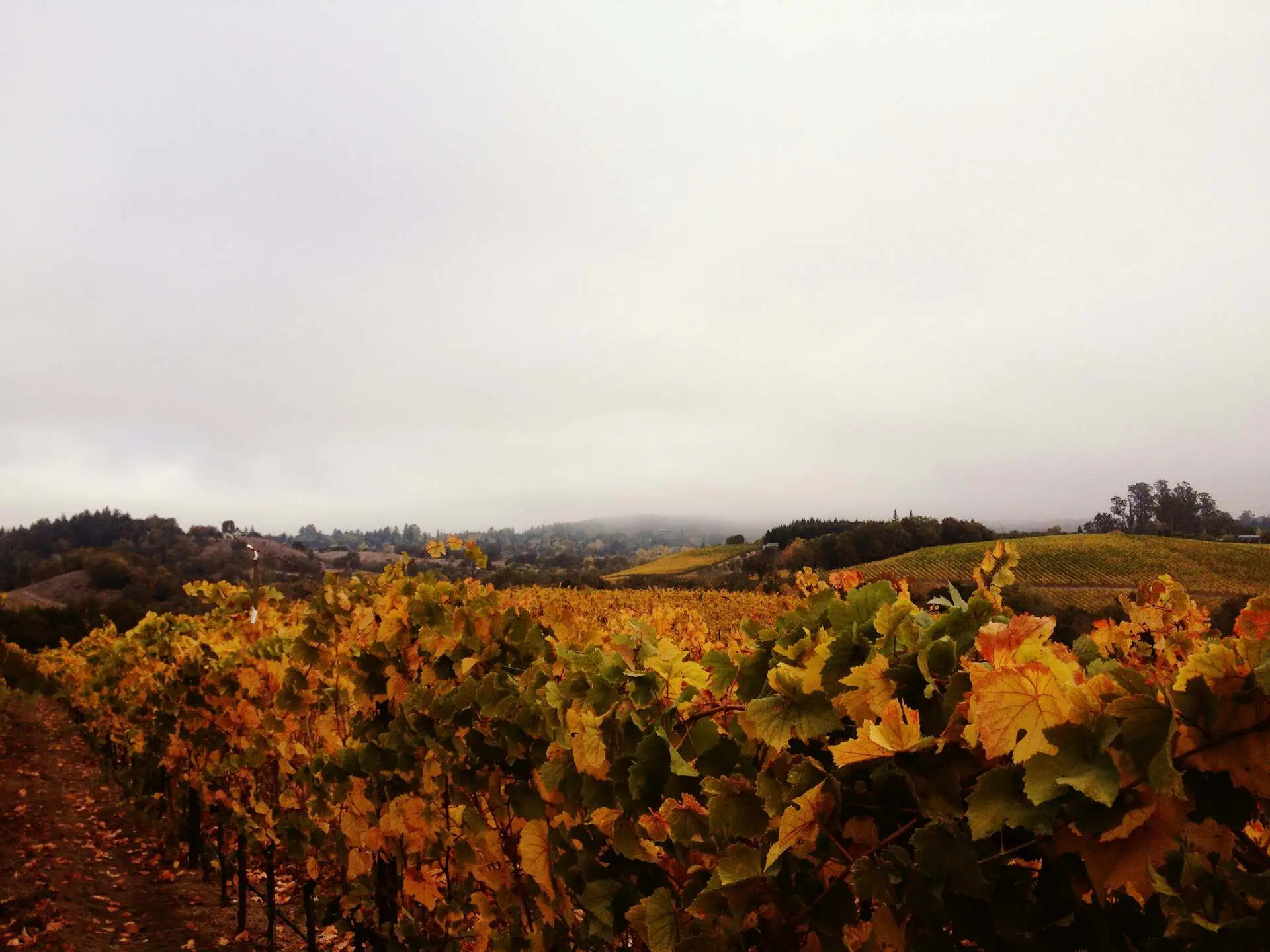
Stroll through the vines with a winemaker or viticulturist who explains terroir, sustainable farming practices and how grape-growing decisions impact flavor. These tours are best in spring (when vines leaf out in vibrant green) or fall (during the golden drama of harvest).
Note: You can also tour many Paso vineyards by e-bike—consider this when booking your next Paso Robles winery experience online.
Harvest events
Each fall, Paso Robles comes alive with ways to peek behind the curtain of winemaking. Participate in a grape stomp, blending event or harvest dinner—all great ways to better acquaint yourself with Paso Robles wine culture.

Bovino Vineyards: Sunset Views and Elevated Tastings
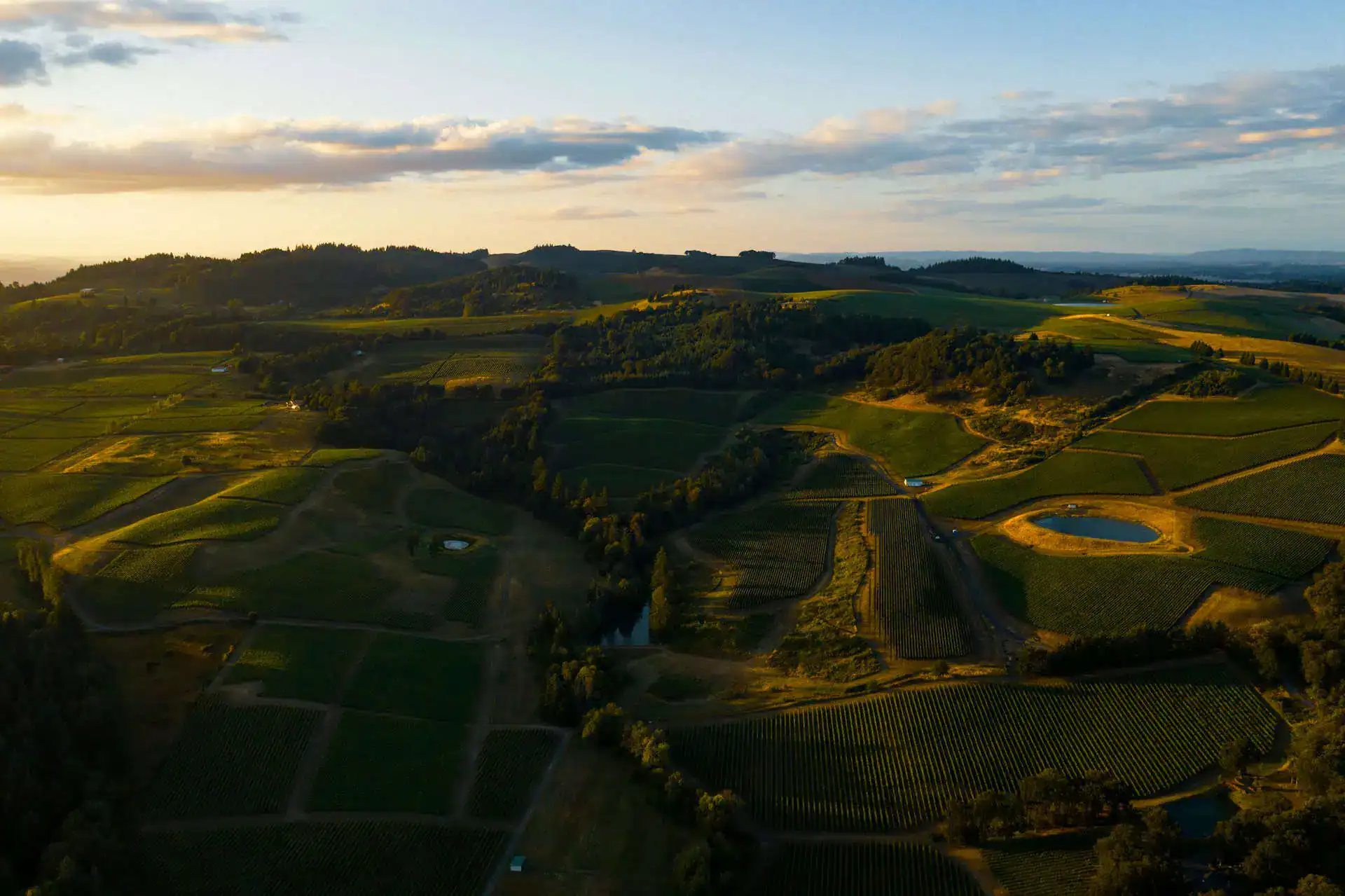
For an experience that captures Paso’s authentic hospitality, head to Bovino Vineyards in Templeton’s El Pomar District. Perched at over 1,000 feet elevation, this hilltop estate sprawls across rolling terrain where 16 different grape varieties thrive in dramatic temperature swings—mid-50s at dawn, near-100 by afternoon, then cooling fast as Pacific breezes funnel through coastal mountain gaps just 26 miles west.
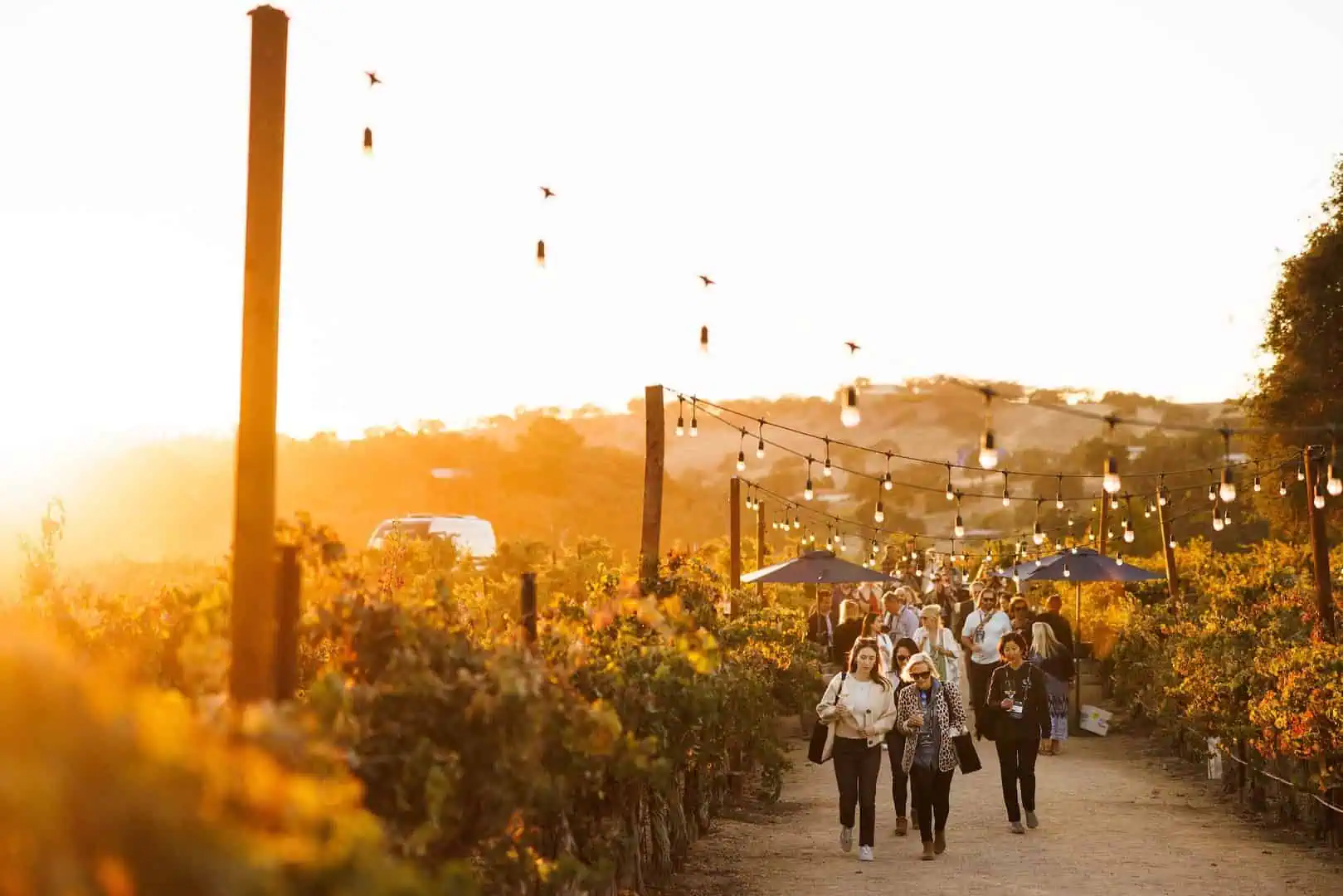
The tasting room opens onto a deck designed specifically for spectacular sunsets. Arrive at least 45 minutes before sunset to claim your spot, order your tasting and settle in. These golden hour moments—when the light softens, the temperature drops and the hills blaze amber—are what wine country memories are made of. Booking your tasting in advance means you’ll never miss the magic.
Wine Questions That Spark Great Conversations
In Paso Robles, the difference between a good tasting and a great one often comes down to conversation. Paso’s tasting room staff—often family members, winemakers or vineyard managers themselves—genuinely love sharing their knowledge.
Wine Questions to ask in Paso Robles:
- “Are the grapes grown onsite or sourced from other vineyards?”
- “What makes the wine’s specific vineyard site special?”
- “Which wine best represents your style as a winery/winemaker?”
- “What’s your personal favorite wine from today’s flight? Why?”
- “How did this vintage compare to previous years?”
Local Tip: Want the most laid back insider experience in Paso? Visit on weekdays when tasting rooms are less crowded. Staff have more time to share stories, discuss winemaking philosophy and potentially open library bottles. You’ll leave with not just wine but real connections to the people behind it.
Non-Alcoholic Options in Paso Robles
Not drinking? No problem. The wine country experience isn’t just for traditional drinkers. Whether you’re the designated driver, pregnant, sober curious or simply prefer to skip the alcohol, you’ll find sophisticated alternatives throughout Paso Robles.
Today’s non-alcoholic and alcohol-removed wines are complex, balanced and genuinely delicious—nothing like the overly-sweet grape juice of yesteryear. Many Paso Robles tasting rooms now stock NA alternatives or can recommend local producers crafting premium options.There’s zero judgment in Paso—staff want everyone to enjoy the experience, regardless of what’s in their glass. Want to learn more? Check out our complete guide to non-alcoholic wine options in Paso Robles.
Wine Tasting Terms, Explained
New to wine vocabulary? Here’s the essential terms you’ll hear at Paso Robles tasting rooms—and what they actually mean:
Terroir (tare-WAHR): The complete natural environment where grapes are grown—including soil, climate, elevation and topography—that gives wine its unique character. When someone says a wine “expresses its terroir,” they mean you can taste the place where it was made.
Tannins: Natural compounds found in grape skins, seeds and stems that create a drying sensation in your mouth (like the feeling after drinking strong black tea). Tannins provide structure and help wines age gracefully.
Body: How heavy or light a wine feels in your mouth. Light-bodied wines feel crisp and delicate (like skim milk), while full-bodied wines feel rich and coating (like whole milk or cream).
Legs (or “tears”): The streaks of wine that run down the inside of your glass after swirling. They indicate alcohol content and viscosity—more prominent legs usually mean higher alcohol.
Finish: How long the wine’s flavors linger after you swallow. A “long finish” means flavors persist pleasantly; a “short finish” means they fade quickly.
Oaky: Flavors imparted by aging wine in oak barrels—think vanilla, toast, butter or baking spices. Some wines are heavily oaked; others see no oak at all.
Dry: A wine with little to no residual sugar. Despite what it sounds like, “dry” refers to sweetness level, not how the wine feels in your mouth. Most table wines are dry.
Varietal: A wine made primarily from one type of grape (like Cabernet Sauvignon, Chardonnay or Zinfandel). Paso Robles is known for showcasing single varietal wines alongside creative blends.
Blend: A wine made from multiple grape varieties. Rhône blends (Grenache, Syrah, Mourvèdre) and Bordeaux blends (Cabernet Sauvignon, Merlot, Cabernet Franc) are Paso specialties.
Vintage: The year the grapes were harvested. Vintage matters because weather conditions vary year to year, affecting how the wine tastes.
Estate: Wine made from grapes grown on the winery’s own property, giving the winemaker complete control from vine to bottle.
Start Your Paso Robles Wine Tasting Adventure
Here’s the real key to tasting in Paso Robles Wine Country: just be yourself. This is a wine destination that welcomes curious beginners and seasoned collectors with equal enthusiasm. Ask questions without embarrassment. Laugh when you can’t pronounce “Mourvèdre” correctly (it’s “more-VEH-druh,” BTW). It’s all part of the adventure in Paso Robles.
Whether you’re learning the fundamentals of wine tasting at a welcoming estate, settling in for an afternoon on a sun-dappled patio, catching a hilltop sunset or enjoying late-night vibes in downtown, you’ll find that Paso Robles hospitality knows no bounds. Get out there and sip through Paso today. You’ve got this!
Free Resources and Planning Tools
Ready to start planning your Paso Robles wine adventure? Download a free wine map, check the events calendar or browse the complete winery directory to design your perfect wine country getaway. Paso Robles is waiting—and it’s exactly as welcoming as everyone says. See you soon!
Frequently Asked Questions: Wine Tasting in Paso Robles
Do I need to make reservations for wine tasting in Paso Robles?
Not always—many Paso Robles wineries welcome walk-ins, especially on weekdays. That said, reservations are strongly recommended for weekend visits, groups of six or more, and any special experience like a cave tour, food pairing, or private tasting. During peak season (spring and harvest fall), booking ahead ensures you get the experience you came for without disappointment.
How much does wine tasting cost in Paso Robles?
Most Paso Robles tasting fees range from $20–$35 per person, which is significantly more affordable than regions like Napa Valley. Many wineries waive the fee entirely with a wine purchase. Special experiences—cave tours, multi-course food pairings, seated private tastings—typically run higher and are priced separately.
How many wineries should I visit in one day?
Three to four wineries per day is the sweet spot. Visiting fewer wineries means more time to explore each one—to chat with staff, wander the grounds and truly taste. Rushing through six or more tastings means the wines blur together and the experience loses its magic.
Is it okay to spit wine at a tasting room?
Absolutely—and it’s considered perfectly professional. Dump buckets are provided at every tasting room for exactly this purpose. Winemakers and industry professionals spit or pour out during evaluations all the time. Using them helps you stay sharp, pace yourself and actually remember what you tasted by the end of the day.
Are Paso Robles wineries dog-friendly? Many are! Paso Robles is one of the most dog-friendly wine regions in California. Most wineries with outdoor seating and patio areas welcome leashed, well-behaved dogs. Always confirm the specific winery’s pet policy before heading out—and remember to bring water, a bowl and waste bags for your pup.
Can I bring food to a Paso Robles winery? It depends on the winery. Many Paso Robles tasting rooms actively encourage visitors to bring their own picnic provisions and enjoy them on their grounds. However, wineries with onsite restaurants or cafés typically ask guests to order from their menu rather than bring outside food—supporting their food program is the considerate thing to do. When in doubt, check the winery’s website or give them a quick call before you arrive.
What should I wear to wine tasting in Paso Robles?
Comfortable, “elevated casual” is the winning formula here. Nice jeans, a blouse or button-down, and sturdy walking shoes cover most situations. Skip the heavy perfume or cologne—strong scents interfere with wine aromas for everyone in the tasting room. Bring layers, too: tasting rooms and barrel caves can be cool even on hot summer days, and hilltop estates catch breezes.
What wines is Paso Robles known for?
Paso Robles has built its reputation on bold Zinfandel, Rhône-style blends (especially Grenache, Syrah and Mourvèdre), and powerful Cabernet Sauvignon. The region’s dramatic temperature swings between hot days and cool nights produce wines with both ripe fruit character and vibrant acidity—a combination that makes Paso wines distinctive and food-friendly. With 11 distinct AVAs, the range of styles is genuinely impressive.
Is Paso Robles wine country good for beginners?
It’s one of the best wine regions in California for first-timers. Paso Robles is known for its unpretentious, welcoming culture—winemakers often pour their own tastings, staff genuinely enjoy answering beginner questions, and the overall vibe is approachable rather than stuffy. There’s no such thing as a dumb question in Paso.
Do I need to tip at Paso Robles wine tastings?
Tipping isn’t required, but it’s a thoughtful way to recognize exceptional service. A standard guideline is $5–$10 per person for casual tastings, or 15–20% of the tasting fee for particularly attentive service, educational experiences, or private tours. If your tasting fee is waived with a wine purchase, tipping is especially appreciated.
What’s the best time of year to visit Paso Robles wine country?
Paso Robles is a year-round destination with over 240 sunny days annually. Spring (March–May) offers lush green hills and mild temperatures. Harvest season (August–October) is the most festive, with grape stomps and harvest events—but also the most crowded. Winter offers a quieter, intimate experience with cooler temps and fewer crowds. Summer is beautiful but hot; plan tastings for morning hours and seek shade.
Can I go wine tasting if I don’t drink alcohol? Y
es—and you’ll still have a great time. Many Paso Robles tasting rooms now stock non-alcoholic and alcohol-removed wine options, and no one will bat an eye if you’re the designated driver, sober curious, or simply not drinking. The scenery, the hospitality and the community are the experience, not just what’s in the glass.