


The landscape, terroir, and winemaking philosophy differ dramatically between Paso’s two halves — here’s how to choose.
The split between Paso Robles’ Eastside and Westside isn’t just geography — it’s a fundamental difference in terrain, climate, and the wines that emerge from them. One side is inland and warm; the other climbs into cooler, higher elevations. One favors full-bodied Cabernet and Zinfandel; the other champions Rhône varieties and elegant blends. Understanding the difference transforms a wine country trip from a list of wineries into a curated experience that matches your interests.
Contents:
The Core Difference: Elevation, Temperature, and Rain
The Westside — home to the Adelaida District, Willow Creek District, Templeton Gap District, and Santa Margarita Ranch — is where elevation matters. Vineyards in the Adelaida District climb above 2,200 feet, where afternoon fog rolls in and marine air moderates temperatures. Rainfall on the Westside runs two to three times higher than on the Eastside, with the Adelaida District receiving 25–30 inches annually compared to just 10–15 inches in Eastside growing areas. The steep terrain and maritime influence create a cooler, wetter growing environment that resembles parts of the Santa Cruz Mountains more than it does the warm inland valleys just 20 minutes away.
The Eastside (Paso Robles east of Highway 101) is warmer, drier, and generally lower in elevation along its most-visited corridors. Vineyards spread across rolling terrain with less dramatic elevation change in areas like the Geneseo and Estrella districts. Hot days and cool nights create conditions ideal for ripening big reds — Cabernet Sauvignon, Zinfandel, and Petite Sirah thrive here. Daytime temperatures in mid-summer regularly exceed 95 degrees. There’s less fog buffer than the Westside; it’s pure Paso Robles warmth. That said, the Eastside is more varied than it gets credit for: the Paso Robles Highlands District, tucked in the far east of the appellation, climbs to 2,086 feet with dramatic 50°F+ temperature swings between day and night — the most extreme diurnal range in all of Paso Robles wine country.

Varietals: What Grows Where and Why
Westside Specialties
The cooler Westside enables growers to coax elegance from Rhône varietals that might overripen on the Eastside. Visitors will find serious Syrah, Grenache, Mourvèdre blends, and white Rhône varieties like Viognier and Grenache Blanc.
Some Westside producers — particularly those at elevation in the Adelaida District — craft Cabernet Sauvignon and Cabernet Franc with restraint and structure that rewards cellaring. The wines tend toward spice, earth, and textural complexity rather than jammy fruit concentration.
ONX Wines, with its estate vineyard in the Templeton Gap District, focuses on Rhône blends and has become a destination for anyone seeking Central Coast GSM (Grenache-Syrah-Mourvèdre) done right. The Adelaida District’s Westside backbone is anchored by long-established names like JUSTIN Vineyards, Tablas Creek, and Halter Ranch — estates that helped define what Paso Robles Westside wine can achieve.

Eastside Specialties
The Eastside is Zinfandel and Cabernet country. The heat and sunshine create wines with bold fruit, higher alcohol, and ripe tannins. Eberle Winery, located on Highway 46 East, is one of Paso Robles’ defining Cabernet producers — Gary Eberle’s 1979 Cabernet was the first wine to carry the Paso Robles AVA designation. Tobin James Cellars is famous for its “Ballistic” Zinfandel, a beloved Paso Robles Eastside icon produced since 1985 from fruit sourced across dozens of vineyards. Petite Sirah thrives here too, delivering the dark fruit and structure that food-and-wine pairing loves.
Austin Hope and Treana, two of Paso’s most widely distributed brands, champion Eastside fruit and the approachable, fruit-forward style that has made them nationally recognized names.
One important caveat: the Eastside/Westside split is a useful starting point, not a rigid rule. As longtime local producers will note, “north and south make at least as much difference as east and west for temperature.” Over 55% of all Paso Robles vines are Cabernet Sauvignon and Bordeaux varieties regardless of which side of the highway they grow on. The divide is real — but the best Paso wines have always resisted easy categorization.
Logistics: Terrain, Driving, and Tasting Density
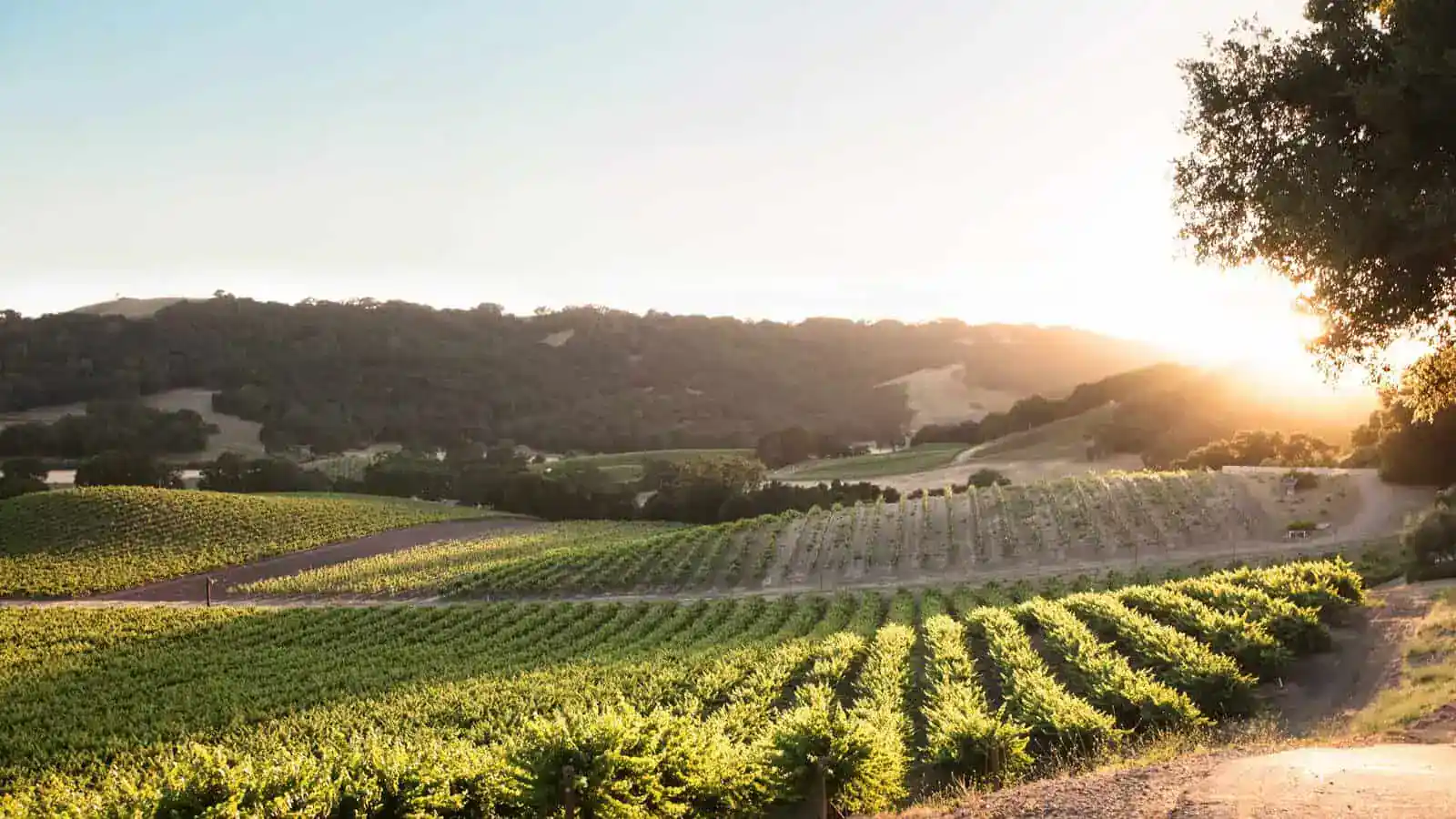
Westside: Expect winding roads, dramatic vistas, and longer drives between properties. The Adelaida District, which covers much of the most productive Westside terrain, is beautiful but sprawling. Plan 30–45 minutes between tasting rooms, and longer if venturing up Adelaida Road itself, where cell service can disappear and the roads demand full attention. The drive is part of the experience — visitors travel through oak-canopied canyons and high-elevation vineyards. Fewer wineries per mile means shorter lines and more one-on-one time with pourers.
Eastside: More compact, with tasting rooms clustered closer together along Highway 46 East and its side roads. Visitors can comfortably fit 3–4 tastings into a single afternoon without excessive driving. Downtown Paso Robles sits east of Highway 101, so if exploring the downtown corridor — where many producers maintain urban tasting rooms — it’s easy to walk between stops or drive just minutes. Higher tasting room density means bigger crowds, especially on weekends.
Tin City, located about three miles south of downtown, is its own category entirely: a walkable artisan hub with 25+ tasting rooms in converted industrial warehouses. It’s neither east nor west in character — it’s Paso Robles at its most creative and casual, and it makes an ideal first stop for visitors figuring out their palate before committing to a full day in either direction.
Which Side First? A Planning Framework
Choose Westside First If:
– You have 2+ hours to commit to longer drives
– You want a quieter, more intimate experience
– Your wine interests skew toward Rhône varietals or structured, age-worthy reds
– You’re seeking a more dramatic, scenic backdrop
– You prefer smaller tasting rooms and fewer crowds
Choose Eastside First If:
– You’re a first-timer and want maximum efficiency
– You have limited time and want to visit multiple wineries in one afternoon
– You prefer bold, fruit-forward wines
– You want to pair tasting with downtown restaurants and retail
– You’re visiting on a weekend when Westside roads get crowded
The Best Strategy for a Multi-Day Visit:
Day 1 (Eastside): Start downtown or at Tin City, visit 2–3 Eastside producers in the afternoon, grab dinner downtown. Day 2 (Westside): Head west early — the light on Adelaida Road is worth setting an alarm for — and tackle 2–3 Westside wineries before returning for sunset or dinner in town.

Winery Guide: Highlights by Side

Westside Standouts
ONX Wines
ONX Wines showcases the Westside’s Rhône mastery. Their estate Grenache and GSM blends are what serious collectors seek out. The tasting room at Tin City overlooks Santa Rita Creek, and their off-road vineyard tour (available Thursday–Sunday, $45 per person; complimentary for wine club members) puts visitors right in the vines. This is a destination experience, not a quick tasting.
Copia Vineyards
Copia Vineyards is one of the newer stars in the Adelaida District, earning recognition for its Rhône and Bordeaux varietals grown on 50 sustainably farmed acres. Pair a tasting with their Walking tour for a half-day deep dive into what this cool-climate corner of Paso can produce.
Brecon Estate
Brecon Estate is a boutique Adelaida District winery about 10 miles west of Highway 101, founded by Welsh winemaker Damian Grindley. Their wines regularly earn competition gold, including a 100-point score at the 2023 L.A. International Wine Competition for their 2020 Malbec. Their award-winning Albariño and Reserve Cabernet Franc are worth seeking out. Book a tasting under the native oak canopy to understand why this corner of the Westside has earned such a devoted following.
Hoyt Family Vineyards
Hoyt Family Vineyards brings a refreshingly unpretentious energy to the Westside, with a boutique operation producing just 800–1,200 cases annually across two very different tasting experiences. Their downtown Paso Robles location on Park Street has a cool beach vibe and stays open late on weekends, while the Willow Creek ranch offers ATV rides through the property, resident goats, and picnic garden views that turn golden at sunset.

Eastside Standouts
Eberle Winery
Eberle Winery is one of Paso Robles’ most historically significant producers, located on Highway 46 East. The winery’s underground caves — the first wine caves built in Paso Robles, completed in 1996 — offer a 90-minute VIP Tour & Tasting experience for $60 per person, which includes a seated artisan cheese plate in the Cave Grotto. Reserve ahead, especially on weekends. And don’t miss the complimentary standard tasting, one of the few still offered free of charge in the region.
Bella Luna
Bella Luna Estate Winery is a small, family-owned operation founded by two lifelong friends who’ve spent 25 years perfecting terroir-driven wines with a distinctly Old World approach. Located near the Geneseo District, their acclaimed “Fighter Pilot Red” Zinfandel is a regional icon, and the winery made history by winning the International Wine Competition’s “Wine of the Year” in two consecutive years — an unprecedented achievement. Tastings are intimate and hands-on; the founders are often behind the bar themselves, pouring in a laid-back setting of ancient barns, native wildflowers, and oak trees.
Austin Hope and Treana
Austin Hope and Treana represent the Eastside’s approachable, nationally distributed style. Hope Family Wines (named Wine Enthusiast’s American Winery of the Year in 2022) operates both an estate tasting cellar at 1585 Live Oak Road in the Templeton Gap District and a downtown location, Hope on Park, at 1140 Pine Street. The Treana blend is a great introduction to what Paso Robles Cabernet can achieve at an accessible price point.
Bovino Vineyards
Bovino Vineyards is the kind of place locals know about and visitors stumble onto gratefully. Based in Templeton’s El Pomar District with 45 acres planted to an impressive 16 different grape varieties across three distinct soil types. Winemaker Steve Anglim crafts an unusually diverse portfolio, from robust Cabernet Sauvignon and Petite Sirah to lesser-known Italian whites like Arneis and a standout Albariño. The tasting room features an observation deck that seems to float above the Valley — widely considered some of the best views in the entire El Pomar AVA, especially at sunset. For something more adventurous, book a 4-wheel drive tour through the vineyards to see how elevation, soil variation, and microclimate shape each block of fruit.
Quick-Facts Comparison Table
| Factor | Westside | Eastside |
|---|---|---|
| Sub-AVAs | Adelaida District, Willow Creek District, Templeton Gap District, Santa Margarita Ranch | Geneseo District, Estrella District, Highlands District, El Pomar District, Creston District, |
| Elevation Range | ~700–2,200 ft | ~580–2,086 ft |
| Climate | Cooler, maritime influence, 20–30” annual rain | Warmer to hot, inland, 10–15” annual rain |
| Soil Type | Calcareous (limestone) — largest formation in California | Alluvial — clay loam, sandy loam, gravelly deposits |
| Signature Varietals | Rhône blends, Syrah, Grenache, structured Cabernets | Zinfandel, Cabernet Sauvignon, Petite Sirah |
| Wine Style | Elegant, structured, complex, mineral | Bold, fruit-forward, approachable, ripe |
| Tasting Room Density | Spread out (30–45 min. between stops) | Clustered (5–20 min. between stops) |
| Best For | Rhône lovers, serious collectors, scenic drives, quiet experiences | First-timers, efficiency, downtown integration, bold red fans |
| Average Tasting Fee | $20–$35 | $15–$30 |
| Crowds | Lower | Higher (especially weekends) |
| Drive Time from Downtown | 20–40 min. | 5–15 min. |
The Bottom Line
Both sides are essential to understanding Paso Robles. The Westside answers the question “What can California achieve when elevation, limestone soils, and maritime influence guide the vines?” The Eastside answers “What does California sunshine and fruit-forward winemaking do best?” — and also quietly proves, in places like the Highlands District, that the neat east-warm/west-cool story is more nuanced than it first appears.
First-timers often find the Eastside’s efficiency and downtown accessibility more welcoming. Repeat visitors tend to gravitate toward the Westside’s complexity and quieter pace. If only one day is available, start Eastside, then carve out two to three hours for one or two Westside stops on the way back. With two days, commit one to each side fully.
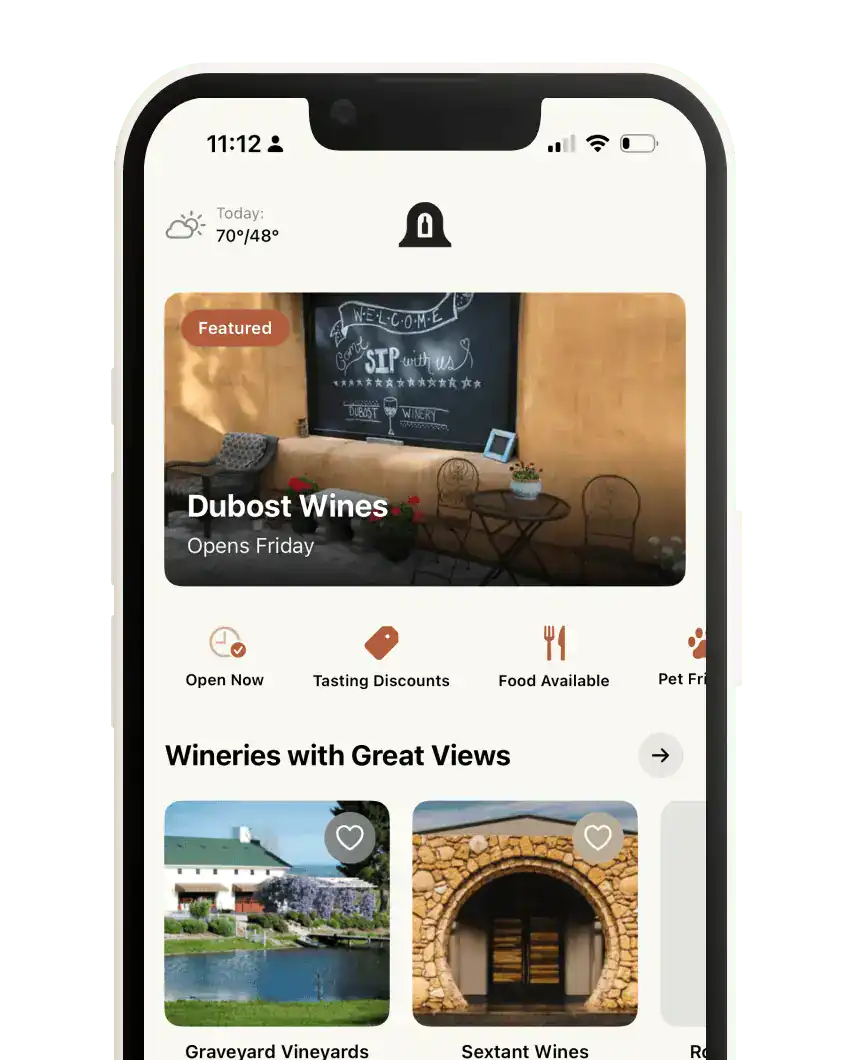
Use the Paso Robles winery map or our new iOS app to plot your route by side. The real magic of Paso Robles is how dramatically different its two halves can taste — and how close together they are.