


The definitive planning resource for California’s most exciting wine region — when to visit, what to taste, where to stay, and how to make every day count.
Paso Robles wine country has a way of catching visitors off guard. They come expecting a few pleasant tasting rooms and leave rearranging their calendars to come back. With more than 200 wineries spread across 40,000 vineyard acres, a food scene that pulls from ranch land and ocean alike, and a downtown square that still feels like a real town rather than a tourist set piece — this corner of the Central Coast has quietly become one of the best wine trips in California. This is your complete Paso Robles travel guide for 2027, covering everything from when to book to what to pour first.
Why 2027 is the Year to Visit Paso Robles Wine Country
If you’ve been putting off a trip to California wine country, this is the year to stop planning and start packing. Paso Robles has spent the last decade building out its food and hospitality infrastructure while keeping the laid-back attitude that makes visiting here feel fundamentally different from Napa or Sonoma. Tasting fees still hover around $25–$40 (compared to $75–$100 in Napa Valley). Winemakers pour for you themselves. And the diversity of what grows here — Cabernet Sauvignon, Rhône varieties, Zinfandel, Bordeaux blends, even Albariño and Grenache Blanc — means you can visit three times and never repeat a flight.
Several new tasting rooms, restaurants, and lodging properties have opened in recent years, and 2027 brings another round of additions. The region’s 11 distinct sub-AVAs produce genuinely different wines depending on whether you’re tasting on the warmer Eastside or the cooler, limestone-rich Westside. That geographic range is part of what keeps wine professionals and serious enthusiasts coming back.
The Best Times to Visit Paso Robles Wine Country
Spring (March–May)
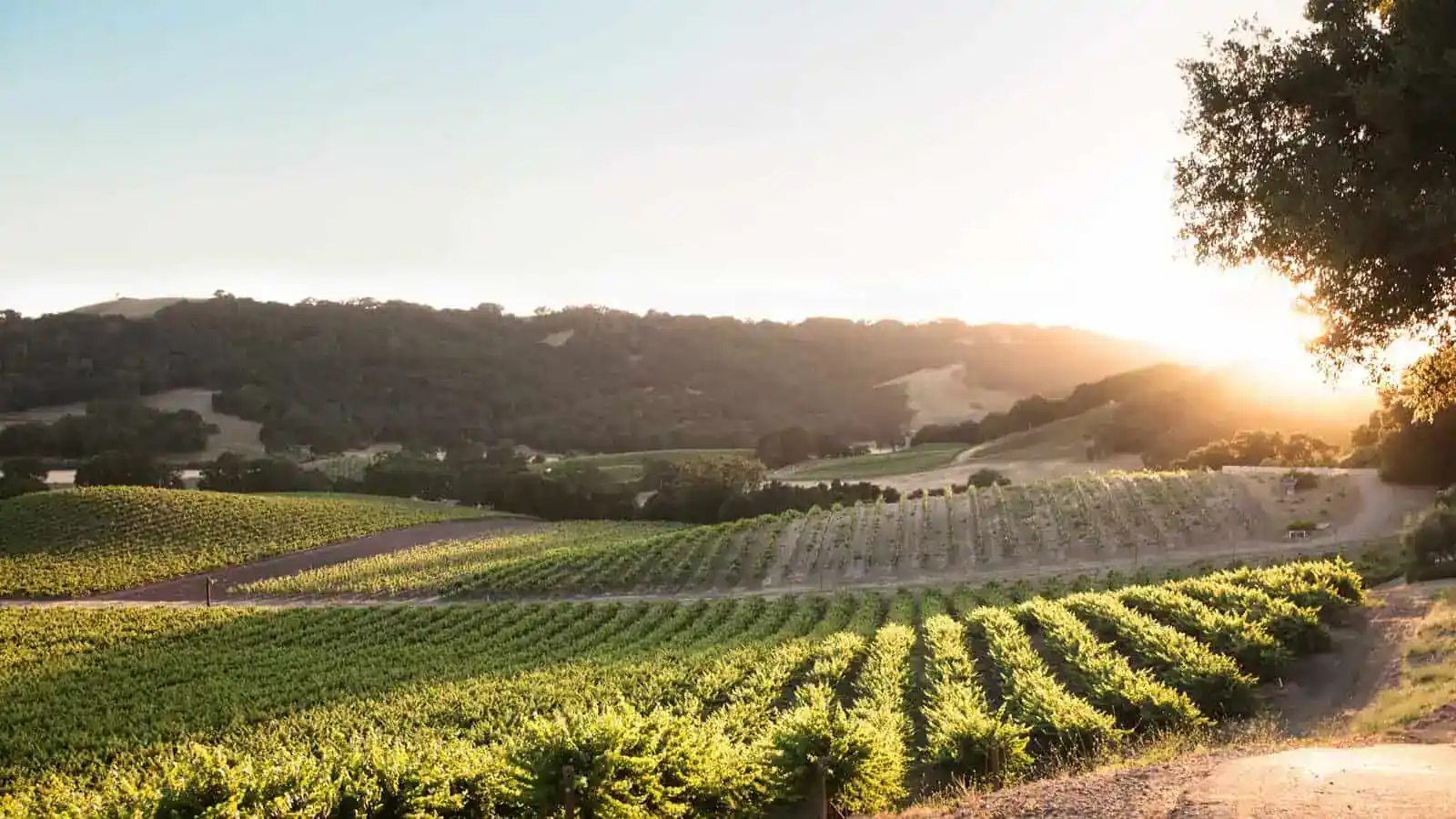
Spring is when Paso Robles wine country is at its most photogenic. The rolling hills turn electric green, wildflowers coat the shoulders of vineyard roads, and daytime temperatures sit in the comfortable mid-60s to low 80s. This is also when the Paso Robles Zinfandel Festival typically falls (March), offering a concentrated weekend of library pours and winemaker dinners. Tasting rooms are less crowded than in fall, and you’ll have an easier time booking vineyard tours and restaurant reservations on shorter notice.
Summer (June–August)
Paso Robles summers are warm — expect highs in the 90s and occasionally over 100°F — but the region’s signature 50-degree diurnal temperature swing means evenings cool down dramatically. Plan your tastings for the morning, save the pool or an air-conditioned restaurant for mid-afternoon, and you’ll enjoy one of the best summer wine trips anywhere. The Paso Robles Wine Festival Weekend (typically May or early June) draws big crowds and showcases hundreds of producers in a single event.
Fall (September–November)
Harvest season is the marquee draw for serious wine travelers. Vineyards are heavy with fruit, crush pads hum with activity, and many wineries offer harvest-specific experiences you can’t get the rest of the year — barrel tastings, blending sessions, and winemaker-led vineyard walks. The Harvest Wine Weekend in October is one of the region’s biggest annual events, with open houses, live music, and special pours across dozens of participating wineries. Hotel rates peak in October, so book early.
Winter (December–February)
Winter is the insider’s season. Crowds thin out, room rates drop, and the pace in tasting rooms slows enough that your host might pull a library bottle they wouldn’t open on a busy Saturday. Daytime highs average in the upper 50s to low 60s, with occasional rain. Many tasting rooms run winter-only specials and club events, and you’ll find it much easier to score a table at the area’s top restaurants. If you don’t mind a jacket and the occasional gray sky, this is the best-value time to visit.

Where to Taste: A Winery Guide by Region
Paso Robles is too big to see in a single trip, so it helps to think in regions. Most visitors organize their days around the Westside, Eastside, or downtown — each with a distinct personality and wine style.
Westside Wineries
The Westside is where much of Paso’s critical acclaim originates. Calcareous soils, higher elevation, and Pacific influence produce wines with structure and complexity that age well. Austin Hope & Treana anchors the area with the Hope on Park tasting room downtown, but the estate vineyards are pure Westside. For a quieter experience, Ecluse Wines offers small-lot Bordeaux and Rhône blends with vineyard views that rival anything on the coast. Villa San Juliette pairs its elegant wines with a stunning property — think estate grounds, a bocce court, and a lake visible from the tasting terrace.
Further into the Adelaida District, Brecon Estate focuses on Rhône and Bordeaux varieties from a hilltop perch, while Tackitt Family Vineyards operates a small, family-run operation where you’ll likely meet the people who grew and made the wine you’re drinking. Bella Luna Winery specializes in Italian varieties — think Sangiovese and Nebbiolo — and brings a different flavor profile to a region dominated by Rhône and Bordeaux grapes.
Eastside Wineries
The Eastside is warmer, flatter, and home to some of Paso’s most established estates. Eberle Winery is a must for first-time visitors — Gary Eberle planted some of the region’s original Syrah vines in the 1970s, and the free self-guided cave tour remains one of the best introductions to Paso’s winemaking history. Pear Valley is a family-run estate known for approachable reds and one of the friendliest tasting rooms on Highway 46 East.
Cass Winery on Linne Road is one of the Eastside’s anchor estates — a 145-acre certified-sustainable vineyard in the Geneseo sub-AVA planted to 17 varieties, with an on-site café that was one of Paso’s first winery restaurants and still draws crowds for Alice Cass’s original crab cakes. Families and dogs are welcome, and the property runs horseback trail rides through the vineyard. Nearby, Dresser Winery keeps things deliberately small — about 1,500 cases a year from a 25-acre family estate, almost all estate-grown big reds. What sets Dresser apart is the range of intimate experiences: the Vines to Wines Tour has the owner-winemaker driving you through vineyard blocks with tastings on private decks, and the Sips and Scones pairing with Cardonagh Kitchen is one of the more original tasting formats in the region. Over on El Pomar Drive, Bovino Vineyards grows 16 Italian, Bordeaux, and Rhône varieties on their estate, with winemaker Steve Anglim crafting balanced wines that have earned scores up to 91 points from Vinous. Wines are sold only through the tasting room and wine club — you won’t find them in shops.
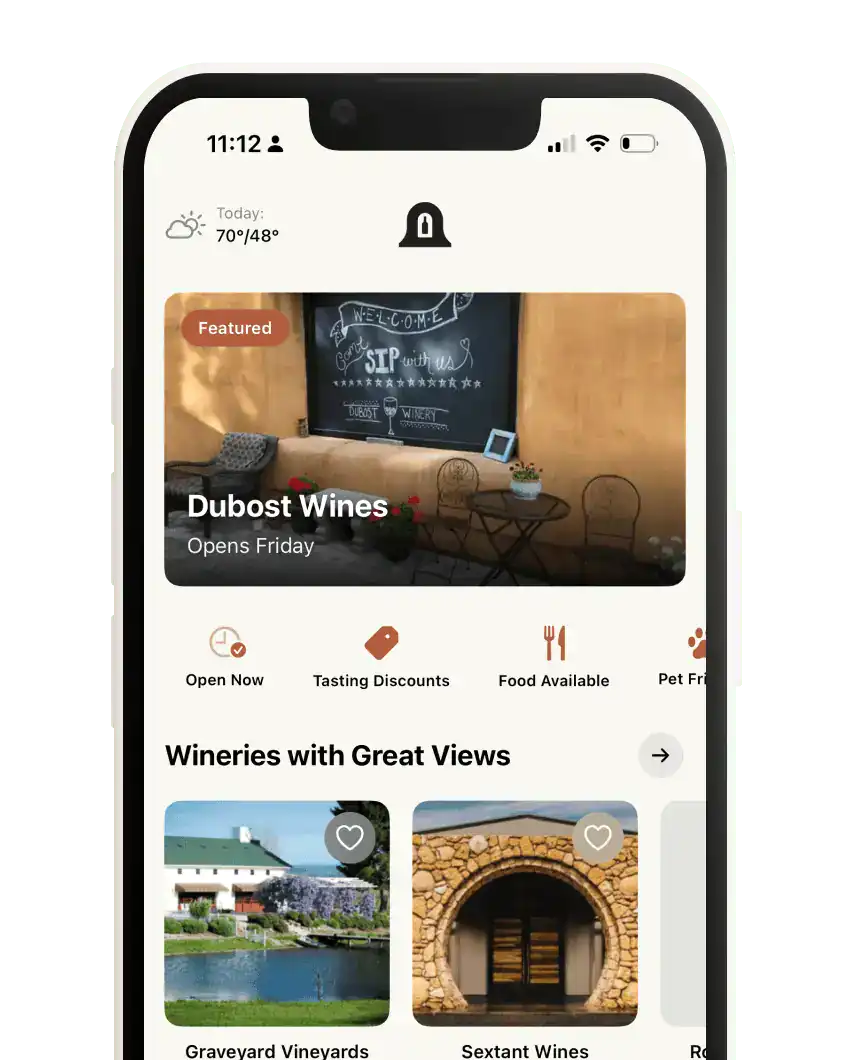
Further north on Estrella Road near San Miguel, Graveyard Vineyards sits on a hilltop above the historic Pleasant Valley Cemetery, a pioneer burial ground that has marked this land since the 1860s and gives the winery its name. The original Cabernet Sauvignon and Syrah vines date to 1995, everything is farmed and harvested by hand, and the resulting wines are concentrated and full-bodied. The signature Quatre Cuvee blend was created with friends on the winery’s front porch and has become a visitor favorite. Dogs and kids are welcome, and the hilltop patio overlooking the vineyards and valley is one of the most scenic perches in Paso wine country.
Downtown Paso Robles
Downtown Paso Robles has over a dozen tasting rooms within walking distance of the town square — perfect for an afternoon without a designated driver. Hoyt Family Vineyards occupies a beautifully crooked 1880s building on Park Street that still has its original wood floors from its days as a barber shop. The vibe is deliberately laid-back and beach-shack casual, but the wines are serious — estate-grown from 140 acres in the Willow Creek AVA, with a Tempranillo and Petit Verdot worth seeking out. Sunset Magazine called their 2011 Cabernet Sauvignon “one of the new kings of red wine.” Friday nights bring live music, and the tasting room stays open until 8 p.m.
CaliPaso runs a polished tasting room on 13th Street with a Tuscan-inspired atmosphere and one of the later closing times in town — open until 9:30 p.m. Thursday through Saturday. Winemaker Enrique Torres works with a wide-ranging lineup, from Albariño and Sauvignon Blanc to Cabernet Sauvignon and Tempranillo, and the regular Sip & Paint nights and live weekend music make it a natural after-dinner stop.
Seven Oxen Estate Wines takes a different approach: their tasting bar sits inside Thomas Hill Organics on Park Street, so you can pair a sit-down tasting of estate-grown Rhône blends and Zinfandel with a farm-to-table lunch. The grapes come from 26 acres of head-pruned, organically farmed vines on a 130-acre estate off Kiler Canyon Road in the Templeton Gap, and production stays under 1,000 cases — this is small-lot Paso at its most focused.
Hayseed & Housdon operates out of a tasting garage downtown that is easy to walk past if you don’t know it’s there. Owner Ted Ross launched the label with a model you don’t see often in wine country: profits from every bottle are split 50/50 with local nonprofits, including organizations supporting veterans, foster care, and animal rescue. The wines — all hand-picked, hand-sorted, and made in batches under 1,000 cases — stand on their own. The room is open until 9 p.m., and the story behind the brand adds a layer that sticks with you after you leave.
Tin City
Just south of downtown, Tin City is a converted industrial park that has become a wine-and-food destination in its own right. The walkable format lets you mix wine, craft spirits, and food stops without moving your car.
ONX Wines operates a Tin City tasting room alongside their Eastside estate, and it is where they launched Foundations — a new interactive sensory tasting experience built around five single-varietal pours and a hands-on aroma kit. It strips away the jargon and lets you explore wine through smell, texture, and personal preference — ideal if you are visiting with someone who is newer to wine.
Kiler Canyon Vineyard is a micro-production label from the ONX winemaking team that deserves its own stop. Winemaker Drew Nenow focuses exclusively on Rhône varieties — Syrah, Mourvèdre, Roussanne, and Grenache — from 24 acres of steep, southwest-facing limestone slopes in the Willow Creek District. The 2021 Reserve Syrah earned 95 points from Wine Enthusiast, and wines are sold by allocation only. Tastings run 90 minutes on a shaded patio beneath towering coastal redwoods, with artisanal food-and-wine pairings available Friday through Sunday.

Beyond the Glass: Wine Experiences Worth Booking
Cave Tours
Eberle Winery’s VIP Cave Tour and Tasting ($60/person) walks you through 16,000 square feet of underground caves, ending with a seated tasting and artisan cheese plate in the private Cave Grotto — one of the most memorable 90 minutes you’ll spend in Paso.
Vineyard Tours
Ancient Peaks runs a two-hour private vineyard tour through Margarita Vineyard, one of the southernmost growing sites in the Paso Robles AVA. The geography is striking — mammoth fossils have been found on the property — and the tour includes a complimentary tasting afterward. Over at ONX Wines, the estate vineyard tour takes you through the vines via off-road vehicle for a ground-level look at how site and soil shape what’s in the bottle.
Where to Eat in Paso Robles
The dining scene here has matured well past “wine country restaurant” expectations. What started as a handful of tasting room kitchens has grown into a proper food destination, fueled by Central Coast ranchers, farmers, fishermen, and chefs who take sourcing personally. You can eat extremely well at every price point, and most restaurants carry extensive local wine lists — so you can keep exploring Paso even at dinner.
For a special evening, Cello Ristorante & Bar serves garden-fresh Italian cuisine with foraged ingredients and a deep local wine list — cozy, romantic, and worth dressing up for. Six Test Kitchen downtown runs a tasting-menu-only format that changes regularly and draws from hyper-local ingredients.
On the casual end, Fish Gaucho puts a fresh, healthy twist on Mexican food with an outstanding tequila selection. Pappy McGregor’s has won “Best Bar/Pub” eleven years running — it’s lively, the food is solid, and it’s where locals actually go on a Friday night.
For a different kind of evening altogether, 1122 Speakeasy & Cocktail Lounge is a candlelit, 1930s-inspired cocktail bar behind an unmarked door downtown. It’s a perfect closer after a day of wine tasting.

Where to Stay: Paso Robles Lodging for Every Style
Paso Robles has everything from five-star vineyard resorts to stylish downtown motor lodges. What you pick depends on how you want to wake up.
Resort and Luxury
Allegretto Vineyard Resort sits on 20 acres of vineyards and olive groves with a Mediterranean feel — it’s the closest thing Paso has to a destination resort. CaliPaso (also known as CaliPaso Winery) combines winery and villa-style accommodations on a working estate, and it’s one of the few places where you can step outside your room and be in the vineyard.
Boutique and Downtown
Farmhouse Paso is a reimagined 1950s motor lodge on Spring Street with 26 dog-friendly rooms, a landscaped courtyard with fire pits, and loaner bikes. River Lodge went through a full renovation and emerged as a retro-chic resort with a heated pool, hot tub, and a Cal-Italian restaurant with a poolside cocktail bar. Both are walking distance to the town square and the downtown tasting rooms.
For a classic, no-fuss stay with consistently excellent service, Adelaide Inn has been a local favorite for decades — lush landscaping, friendly staff, and rates that leave more room in the wine budget.
Vineyard Stays
For the full immersion, ONX Wines operates several vacation properties on or near the estate. Clark House offers panoramic vineyard views and direct proximity to the tasting room. Kiler Canyon Ranch House puts you in the middle of rolling hills with a complimentary wine tasting included. And Briarwood Cottage accommodates larger groups up to ten.
The Geneseo Inn at Cass Winery is a boutique hotel built from industrial shipping containers perched above the vines — architecturally distinct and quietly luxurious. Cass also runs horseback trail rides and archery classes on the vineyard, so you can fill a full day without leaving the property.
Dresser Winery Estate Villa is another excellent option — a private retreat overlooking 25 acres of working vineyard, ideal for families or groups who want space and seclusion. And Santellan Vineyards & Inn offers a boutique inn experience with a focus on unwinding after a full day of exploring.
For newer hotel options, the Cambria Hotel Templeton opened recently with 132 rooms and a modern, elevated feel — a solid base in Templeton, about ten minutes from the downtown square and convenient to both Eastside and Westside wineries.
Getting to Paso Robles
Paso Robles sits roughly halfway between San Francisco and Los Angeles along Highway 101, making it reachable from either direction in about three to four hours.
The closest commercial airport is San Luis Obispo County Regional Airport (SBP), about 30 minutes south. It handles flights from several major hubs including San Francisco, Los Angeles, Dallas, Denver, Phoenix, and Seattle. From SBP, you can rent a car or arrange a pickup through Central Coast Transportation for a door-to-door experience.
Driving from the Bay Area, take Highway 101 south — the route passes through some of California’s most scenic ranch land before dropping into Paso. From Los Angeles, head north on the 101 past Santa Barbara and San Luis Obispo. Both drives are beautiful and well worth doing in daylight.
Once you’re here, having a car gives you the most flexibility, especially for visiting Westside and Eastside wineries. The distances between tasting rooms can be significant — a loop through the Adelaida District might cover 30–40 miles of winding road, and the drive from the Westside to the Eastside crosses the full width of the AVA.
If you’d rather not drive, the tour companies mentioned above handle transportation to tasting rooms and can customize full-day itineraries. This is especially smart if you’re visiting with a group — a designated driver misses half the fun, and the local tour operators know which tasting rooms pair well together geographically and stylistically.

Key Paso Robles Events in 2027
While exact dates for 2027 haven’t all been announced at the time of writing, these annual events are worth planning around:
Zinfandel Festival (March): A weekend focused on Paso’s deep Zinfandel roots, with library tastings, winemaker dinners, and seminars. It’s one of the best events for wine education in a relaxed setting.
Wine Festival Weekend (May): The region’s flagship event. Hundreds of wineries pour on the downtown square, with live music and food vendors. It sells out early — buy tickets as soon as they go on sale.
Harvest Wine Weekend (October): The busiest weekend of the year. Wineries open their doors for special tastings, vineyard tours, and behind-the-scenes harvest activities. Book accommodation months in advance.
Holiday events (November–December): Many wineries host holiday open houses, wine club pickup parties, and seasonal pairing dinners. It’s festive without being overcrowded, and a great reason to visit in the off-season.
Practical Tips for Visiting Paso Robles Wine Country
A few things that will make your trip smoother:
Pace yourself. Three to four wineries per day is the sweet spot. More than that and palate fatigue sets in, and you’ll stop tasting the differences between wines. Quality over quantity.
Make reservations. Most Paso Robles tasting rooms now require or strongly recommend reservations, especially on weekends. This is a good thing — it means less crowding and more personal attention — but it does require planning. Book at least a week ahead for standard tastings, and two to four weeks for premium experiences.
Bring layers. That 50-degree temperature swing between day and night is real. A sunny 90°F afternoon can drop into the 40s by sunset, even in summer. A light jacket for evening dinners is smart year-round.
Download offline maps. Cell service gets spotty on the back roads of the Westside and in Adelaida District. Download your maps and winery addresses before you leave your hotel.
Join at least one wine club. If you fall in love with a winery’s wines — and you will — joining their club on-site usually gets you a discount on the day’s purchases and access to allocation wines you can’t buy otherwise. Many Paso clubs also waive tasting fees on return visits.
Start Planning Your 2027 Paso Robles Trip
The best Paso Robles trips are the ones where the big decisions — where to stay, which regions to focus on, how to get around — are handled before you arrive, so every day in wine country is spent doing what you actually came for. Use this guide as your starting framework, then fill in the details as 2027 event dates and winery schedules are published.
One practical tip: if you’re visiting during harvest season or a major event weekend, book lodging and restaurant reservations at least two to three months out. For vineyard tours and premium experiences, two weeks’ lead time is usually enough outside of peak weekends.
Paso Robles wine country rewards the curious, the flexible, and the hungry. Start planning now, and you’ll thank yourself when you’re sitting on a vineyard patio next year, watching the sun set behind the oak-studded hills, glass of something excellent in hand.